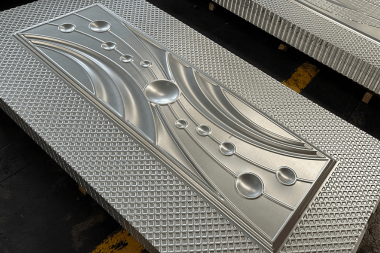
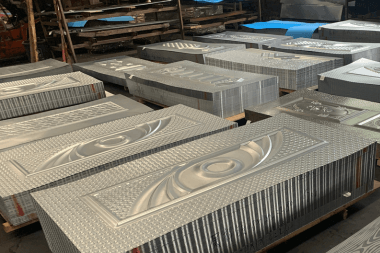
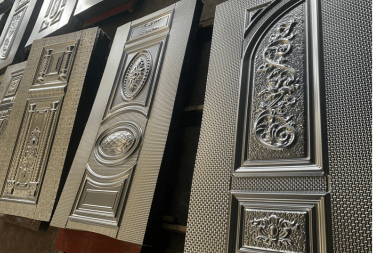
- 3000+ Patterns Are Available
- 008617749755602
- yoyicassia@hotmail.com

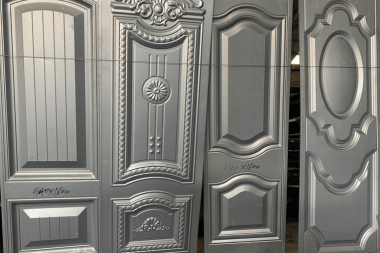
The Ultimate Guide to Steel Door Sheet: Properties, Benefits, and Buying Tips
When it comes to manufacturing durable, secure, and long-lasting doors, the steel door sheet is the backbone material that makes it all possible. Whether you are a door manufacturer, contractor, or homeowner looking to understand what goes into a quality steel sheet for door fabrication, this comprehensive guide will walk you through everything you need to know — from material grades and surface finishes to thickness options and purchasing advice.
What Is a Steel Door Sheet? – Cold Rolled vs Galvanized Grades
A steel door sheet is a flat-rolled steel product specifically designed for fabricating door leaves, frames, and panels. These sheets are typically cold rolled steel door sheet or galvanized steel door sheet, then coated or treated to resist corrosion, enhance appearance, and improve mechanical properties. Unlike general-purpose steel, a quality door steel sheet is engineered to meet specific requirements such as high impact resistance, flatness, weldability, and paint adhesion.
Common applications include:
Residential entry doors
Commercial and industrial steel doors
Fire-rated door assemblies
Security doors and storm doors
Garage door sections
Key Properties of Quality Steel Door Sheets
To choose the right steel door sheet for your project, you need to understand the critical properties that affect performance.
1. Thickness – What Is the Best Gauge for Steel Door Sheet?
Thickness is measured in gauge numbers — the lower the gauge, the thicker the steel. For door applications:
18–20 gauge (1.0–1.2 mm): Standard for residential interior and exterior doors. Offers a good balance of strength and weight.
16 gauge (1.5 mm): Common for commercial doors, high-traffic areas, and security applications. A 16 gauge steel door sheet is often specified for hollow metal doors.
24–25 gauge (0.5–0.6 mm) – Standard residential, good dent resistance. 24 gauge stamped steel door skin is the most common choice.
22–23 gauge (0.7–0.8 mm) – Heavy‑duty residential, light commercial.
18–20 gauge (1.0–1.2 mm): Standard for residential interior and exterior doors. Offers a good balance of strength and weight.
Thicker sheets provide better dent resistance, sound insulation, and thermal performance but increase weight and cost. Learning how to choose steel door sheet thickness depends on your specific application.
2. Steel Grade – Galvanized vs Cold Rolled Steel Door Sheet
Most steel door sheets use low-carbon steel grades such as:
ASTM A1008 / CQ (Commercial Quality): Suitable for general door fabrication where light forming and painting is required.
ASTM A653 / Galvanized steel: Hot-dip galvanized sheets with a zinc coating (e.g., G30, G60, G90) for excellent corrosion resistance. A galvanized steel door sheet is the top choice for exterior and high-humidity environments.
High-strength Zb-Fe steel: For doors requiring higher yield strength without increasing thickness.
When comparing galvanized vs cold rolled steel door sheet, remember: cold rolled is cheaper but must be painted immediately to prevent rust; galvanized offers built-in corrosion protection.
3. Surface Finish and Coating – Prepainted Steel Sheet for Doors
The surface treatment of a steel door panel sheet directly impacts paint adhesion, rust resistance, and final appearance. Common finishes include:
Mill finish: Bare steel with oil coating. Requires immediate painting.
Galvanized (zero-spangle): Zinc-coated. Often used as a substrate for powder coating.
Galvannealed: Zinc-iron alloy coating that improves weldability and paint adhesion.
Prepainted (color-coated): Prepainted steel sheet for doors is pre-coated with polyester, epoxy, or PVDF paint — ideal for ready-to-assemble door skins.
For premium door manufacturing, galvannealed or prepainted steel sheet for doors eliminates extra surface preparation steps.
4. Flatness and Dimensional Tolerances – Flatness Steel Sheet Door
High-quality flatness steel sheet door products must be exceptionally flat to ensure proper door panel assembly and smooth operation. Look for sheets that meet ASTM A568 flatness standards. Wavy or bowed steel will result in doors that warp, bind, or fail to seal properly.
Benefits of Using Steel Door Sheets
Why do manufacturers and builders prefer steel over wood, fiberglass, or aluminum? The advantages are compelling.
✅ Exceptional Durability – Steel Sheet for Hollow Metal Door
A steel sheet for hollow metal door construction resists cracking, rotting, and warping. A properly fabricated steel door can withstand impacts, harsh weather, and heavy daily use for decades.
✅ Enhanced Security
Steel’s inherent strength makes it difficult to kick in or breach. Pair a 16 gauge steel door sheet with a reinforced frame and multipoint locks for maximum protection.
✅ Fire Resistance – Fire Rated Steel Door Sheet
Steel is non-combustible. When combined with a mineral core, a fire rated steel door sheet assembly achieves fire ratings of 20 minutes up to 3 hours, meeting building codes.
✅ Low Maintenance
Unlike wood, steel doors don’t require sanding, staining, or sealing. A periodic wash and occasional touch-up paint keep them looking new.
✅ Thermal Efficiency (with proper insulation)
While steel alone conducts heat, modern steel door sheets are used as skins over polyurethane foam or polystyrene cores. This creates energy-efficient doors with high R-values.
✅ Design Flexibility – Embossed Steel Door Skin and Embossed Wood Grain Steel Door Sheet
Steel door sheets can be embossed with wood grain patterns, stucco textures, or smooth finishes. An embossed steel door skin or embossed wood grain steel door sheet gives a natural wood look with steel’s strength.
✅ Recyclability
Steel is 100% recyclable. End-of-life steel doors become valuable scrap metal.
How to Choose the Right Steel Door Sheet for Your Project – Steel Door Sheet for Residential Use vs Commercial
Consider these factors when sourcing steel door sheets:
1. Application Environment
Interior dry areas: Commercial quality cold rolled steel with a primer.
Exterior or humid areas: Galvanized (G60 or G90) or galvannealed.
Coastal/saltwater exposure: Heavy zinc coating plus marine-grade paint.
2. Door Type
Hollow metal doors: Use steel sheet for hollow metal door – typically 16–18 gauge galvanized steel.
Insulated residential doors: Two embossed steel skins bonded to a foam core. Ideal for steel door sheet for residential use.
Fire-rated doors: 16–18 gauge fire rated steel door sheet with mineral cores.
3. Manufacturing Process – Steel Door Sheet Manufacturing Process
Understanding the steel door sheet manufacturing process helps you select the right material. Cold-formed applications require ductile steel with good elongation. Welded assemblies need low carbon content for weldability.
4. Cost vs. Longevity – Steel Door Sheet Cost Per Square Foot
Thinner, uncoated sheets have lower steel door sheet cost per square foot but will rust or dent quickly. For long-term value, invest in galvanized or prepainted steel.
Sourcing Quality Steel Door Sheets – Commercial Steel Door Sheet Supplier and Buying Tips
Before placing an order, ask your commercial steel door sheet supplier for:
Mill test certificate (MTC): Verifies chemical composition and properties.
Coating weight certification: For galvanized sheets (e.g., G60, G90).
Flatness guarantee: Specify max wave height.
Edge condition: Slit, sheared, or trimmed edges.
Packaging: VCI paper for rust protection.
If you want to buy steel door sheet online, request samples and verify thickness in mm or inches. Many suppliers offer custom steel door sheet size and precut steel door blank services.
Common Mistakes to Avoid
❌ Using uncoated cold rolled steel for exterior doors – It will rust within months. Always use galvanized or prepainted steel.
❌ Ignoring gauge variations – Confirm actual thickness; “20 gauge” can vary.
❌ Overlooking flatness – Slight waves become obvious after painting.
❌ Skimping on edge protection – Raw edges are vulnerable to red rust. Learn how to prevent rust on steel door sheet edges by using edge sealers or hemmed edges.
Frequently Asked Questions (FAQ)
How thick is a standard steel door sheet?
A standard steel door sheet for residential use is 18–20 gauge (1.0–1.2 mm). Commercial applications typically use 16 gauge (1.5 mm). The answer to how thick is a standard steel door sheet depends on the door type and security requirements.
Is galvanized steel good for exterior doors?
Yes. Is galvanized steel good for exterior doors? Absolutely. Galvanized steel provides excellent corrosion resistance, especially when paired with a quality paint or powder coating system.
What is the difference between door sheet and regular steel sheet?
What is the difference between door sheet and regular steel sheet? Door sheet is specifically manufactured with tighter flatness tolerances, consistent surface finish, and often pre-coated or galvanized for direct use in door fabrication. Regular steel sheet may have waves, mill scale, or inconsistent coatings.
Can you weld steel door sheets?
Yes. Can you weld steel door sheets? Low-carbon and galvannealed steel door sheets weld well. However, galvanized sheets require proper ventilation and removal of zinc coating at weld points to avoid toxic fumes.
How to prevent rust on steel door sheet edges?
How to prevent rust on steel door sheet edges? Use hemmed edges, apply edge sealer or cold galvanizing spray, and ensure the final paint system covers all cut edges. For galvanized sheets, specify G90 coating for better edge protection.
The Future of Steel Door Sheets
Innovations in steel door sheet technology include bio-based precoatings, nano-ceramic coatings, lightweight high-strength steels (AHSS), and smart coatings. These advances continue to make steel the dominant material for door manufacturing worldwide.
Conclusion
Whether you need a steel door sheet for residential use or a heavy-duty steel sheet for hollow metal door, understanding specifications is essential. Focus on the right gauge, proper coating (galvanized or prepainted), and verified flatness. A well-chosen steel door sheet delivers decades of security, low maintenance, and reliable performance.
Ready to source? Contact a reputable commercial steel door sheet supplier, request steel door sheet price list information, and ask about custom steel door sheet size options. Remember — quality steel is the foundation of a quality door.
Email: yoyicassia@hotmail.com
🌐 Visit: www.steeldoorskin.com
📞 WhatsApp/WeChat: +86 177 4975 5602